Deep Cleaning in Highbury

Deep Cleaning Highbury provides a thorough, room-by-room clean for homes and flats that need more than a routine tidy. Our service is designed to reach built-up dirt, grease, dust and limescale in the places that are often skipped during regular upkeep, while still keeping the work practical and carefully organised. If you need a detailed clean for a property in Highbury, this page sets out the main options and how the service is usually structured.
We focus on the areas that benefit most from careful attention: kitchens, bathrooms, flooring, fixtures, hard-to-reach edges and frequently touched surfaces. That can include work such as scrubbing, descaling, degreasing, polishing and detailed dust removal, depending on the condition of the property. Clean results are usually best achieved when the scope is clear from the start, so we aim to describe what is included in a sensible, transparent way. If you are comparing services, it is worth looking at the exact tasks covered rather than only the headline name.
For many households, deep cleaning is the right choice when a standard clean no longer feels sufficient or when a property has simply built up layers of everyday wear. It can support move-in preparation, seasonal resets, post-renovation tidying or a one-off refresh of the main living spaces. Deep cleaning service details explain the broader scope, while the sections below set out the practical tasks customers in Highbury most often ask about.
Thorough home cleaning for Highbury properties

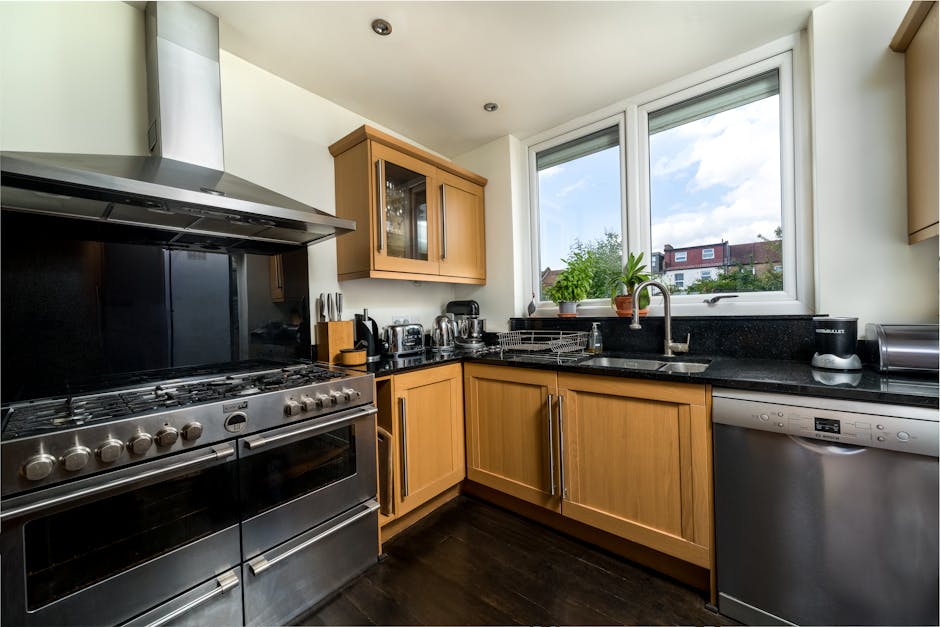
A proper deep clean usually begins with the parts of the home that collect the most residue. In kitchens, that means extractor areas, cupboard fronts, splashbacks, sinks, taps, worktops and other surfaces that can show grease or staining over time. In bathrooms, the focus may turn to tiles, seals, taps, shower screens, basins and toilet areas where scale and soap build-up can become noticeable. This is careful work rather than a quick wipe-down, and it is often the difference between a surface that simply looks neat and one that feels properly refreshed.
We also look at the less obvious corners of a room. Skirting boards, door frames, light fittings, switches, bannisters and accessible ledges can all gather dust that affects the overall finish. Floor edges, under-furniture areas and the outer surfaces of radiators may also be included where access allows. When a customer wants a more detailed result, these smaller tasks matter just as much as the larger visible surfaces, because they give the room a more complete finish.
Kitchen and bathroom detail work

Kitchen and bathroom cleaning often forms the core of a deep clean because these rooms are exposed to moisture, cooking residue and daily use. In kitchens, the work may include degreasing around cooking zones, cleaning cupboard exteriors, wiping appliance surfaces and paying attention to handles and contact points. In bathrooms, the emphasis often falls on removing soap marks, limescale and grime from sanitaryware, glazed surfaces and fittings. The exact result depends on the condition of the room, but the purpose is always the same: to leave heavily used areas in a more manageable state.
Some properties need extra care around delicate finishes or mixed materials. Painted wood, polished metal, glass, stone and sealed surfaces do not all respond in the same way, so method matters. A careful cleaner will use suitable products and techniques rather than treating every surface identically. That is especially important in busy family homes or smaller flats where storage, fixtures and fittings are close together. House cleaning support can also be relevant where a customer wants a broader domestic clean alongside the deeper detail work.
Useful preparation is usually straightforward and should not become a project in itself. If possible, it helps to make the most important rooms accessible, keep fragile items safely out of the way and note any surfaces that need extra caution. A few clear photographs or a simple room list can make it easier to judge the likely scope, especially if the property includes unusual fixtures, high shelves or built-in features. Keep the instructions focused so the service can be planned accurately.
Floors, upholstery and high-contact surfaces
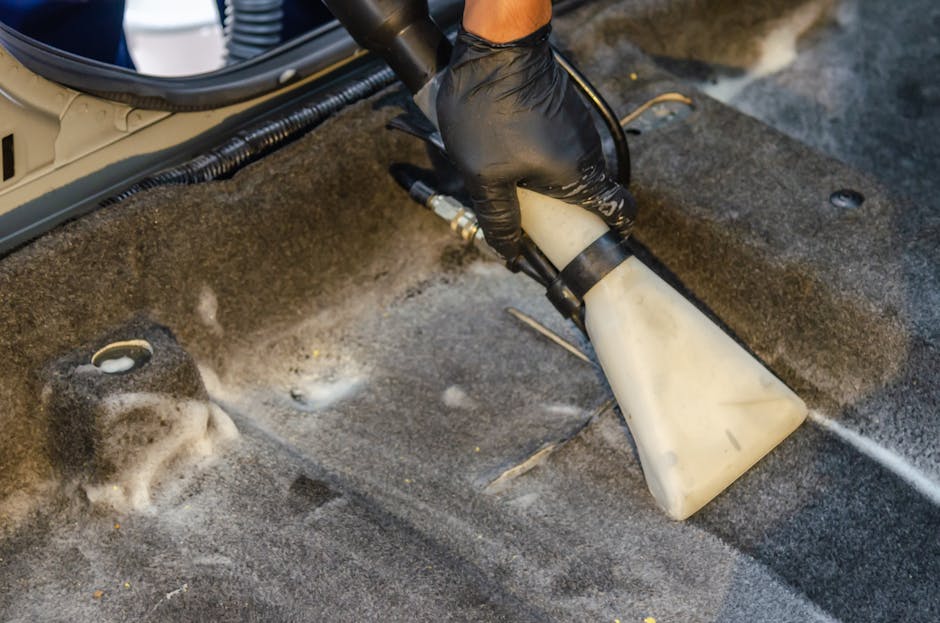
Deep cleaning is not only about obvious dirt. Floors, soft furnishings and touchpoints can strongly influence how fresh a property feels because they carry both visible marks and everyday build-up. Hard floors may need scrubbing, careful edge cleaning or attention to grout and joins, while carpets and rugs can need specialist treatment depending on their fibre and condition. A good plan considers whether the space needs surface cleaning only or something more detailed and restorative.
Where soft furnishings are included, the work must suit the material. Upholstery, sofas and rugs can all hold dust and spills differently, so the safest approach is to match the treatment to the fabric and the type of marking present. Not every item needs the same method, and in some cases a targeted clean of the most used pieces will create the biggest improvement. Upholstery cleaning is particularly useful when seats or fabric finishes need extra attention alongside the rest of the property.
Specialist care for carpets, rugs and sofas

Soft-furnishing cleaning is best approached as a specialist part of the job rather than an optional extra. Carpet cleaning can help with embedded dust and general traffic marks, while rug cleaning often calls for more care because of dyes, pile types and construction differences. Sofa cleaning and broader upholstery cleaning can improve the appearance of high-use furniture, especially where armrests, cushions and head-contact areas show the most wear. The right method depends on the item, so a sensible service description should always leave room for variation.
For customers with a mixed property, it can be helpful to decide whether the priority is the whole room or the item that draws the eye first. Sometimes the best value comes from concentrating on the surfaces that affect the overall presentation most strongly. At other times, a room-based approach makes more sense, especially if the floor and furniture both need attention. Carpet cleaning sits naturally alongside these choices, while a targeted rug cleaning option is useful where individual rugs need separate care.
When soft furnishings are included in a quotation request, it helps to mention the material and any marks that are already visible. That keeps expectations realistic and allows the service to be matched to the right process. A short note about access, parking or lift use can also help, but the main thing is still the cleaning brief itself. If you are ready to proceed, ask for a quotation with the rooms and items listed clearly.
End of tenancy and move-related deep cleaning
Deep cleaning is often requested when a property is changing hands, being prepared for inspection or getting ready for new occupants. In those situations, the work usually needs to cover the full breadth of the home rather than one or two visible areas. That may include cleaning behind accessible furniture, removing build-up from kitchen and bathroom fittings, and paying attention to places that are easy to overlook during day-to-day living. The aim is a presentable, orderly finish that supports the next stage of use.
Move-related cleaning is different from regular maintenance because the property is often either empty or partially cleared, which changes how easily different areas can be reached. It can therefore be more practical to clean the home in a systematic sequence, room by room, so nothing important is missed. End of tenancy cleaning is a useful reference point for customers who need a more structured move-out clean, while other properties may only need a strong one-off reset.
In some cases, the best choice is a one-off cleaning appointment rather than a recurring arrangement. That can suit households that want an intensive seasonal clean, a pre-event refresh or a detailed clean after a period when the home has not been maintained as usual. The service can be scaled to the space and the priorities that matter most, so the quote request should describe the property honestly and concisely.
What influences the quotation

Quotation requests are usually shaped by the size of the property, the number of rooms, the level of build-up and any specialist items that need attention. A compact flat with light surface dust will not take the same amount of work as a larger home with heavy kitchen residue, stained grout or multiple soft furnishings. Access also matters, particularly where rooms are awkwardly laid out, furniture is difficult to move or certain surfaces need careful handling. Clear details help the scope feel realistic from the outset.
It can also help to note whether you want the whole property treated in one visit or only particular areas. For example, a customer may want kitchen and bathroom detailing together, or may prefer floors and upholstery cleaned while the rest of the home receives a lighter finish. If you know what matters most, say so plainly. Our quotations are easier to prepare when the priorities are specific, and that makes it simpler to compare options without guessing what is included.
Other cleaning options that may sit alongside deep cleaning
Some properties benefit from combining deep cleaning with other services, especially where surfaces, floors and fixtures all need different treatment. Domestic cleaning may be relevant when a home needs ongoing upkeep after the initial detailed clean, while after builders cleaning can help if dust and debris remain following work to the property. Window cleaning, oven cleaning and floor-focused services can also be useful when a room needs a more complete finish. The right combination depends on what is actually in the property, not on a generic package name.
Oven cleaning is often asked for separately because cooking appliances can require intensive degreasing and detailed attention in their own right. Where the kitchen is the priority, pairing that with a wider clean can make the overall result more coherent. In larger homes, domestic cleaning may be a sensible follow-up after a deeper reset, helping the property stay in a better condition once the initial work has been completed.
If you are unsure which service to choose, start with the areas that need the most attention and work outward from there. That usually gives the clearest brief and avoids paying for tasks you do not need. You can ask for a quotation once you have decided whether the job is mainly a full-house clean, a room-by-room refresh or a combination of specialist tasks. Request a quotation when you are ready.
About Highbury
Highbury is a district in the London Borough of Islington, in north London, with a character shaped by its long development from rural outskirts into a dense residential area. One of its most recognisable historic features is Highbury Fields, a large open space that remains an important green setting within the neighbourhood. The area is also closely associated with Highbury Barn, a name that survives from earlier local history and now sits within a pattern of streets, terraces and community facilities that reflect the district’s gradual urban growth. Much of Highbury’s built environment dates from the nineteenth century and later, with many rows of houses, converted properties and apartment buildings giving the area a layered architectural feel.
Detailed room cleaning for busy homes
When a property has seen a lot of daily use, the best deep cleaning approach is usually to work through each room with a clear order. Living areas may need dust removal from tops of frames, shelves and accessible ledges, while bedrooms can benefit from attention to skirting, doors, switches and under-bed spaces where possible. Hallways and landings often show marks first, so they are important to include in the plan. A thorough clean should leave every main space feeling consistent rather than leaving one room noticeably better than the next.
In homes with multiple floors or mixed flooring types, the method needs to change from room to room. Some areas call for careful vacuuming and edge work; others need mopping, polishing or a more detailed surface clean. The point is not to force the same routine everywhere but to match the finish to the material and the condition. That is one reason why a proper deep clean is best described by task group rather than by a simple blanket promise.
Customers who want the whole property addressed often find it useful to think in terms of priority zones. For example, kitchens and bathrooms may be the most demanding, while bedrooms and lounges may need a lighter but still detailed pass. Domestic cleaning can support the ongoing upkeep once those key spaces have been reset, and house cleaning may suit clients who want a broader domestic clean plan around the same visit. If you are ready to discuss your property, ask for a clear quotation.
Specialist surfaces, fixtures and finishing touches
Many of the smallest details have a strong effect on the final appearance of a deep clean. Light switches, handles, sockets, taps, trims and door furniture all collect fingerprints and everyday residue. Polished surfaces can show marks quickly, while glass and mirrors need a careful finish to avoid streaking. Where suitable, a cleaner may also work on accessible vents, extractor casings and similar fixtures so the property looks consistently cared for rather than only obviously clean in the centre of the room.
There are also practical limits to every service. Some marks are long-standing, some materials are delicate and some items need specialist treatment beyond standard cleaning methods. Being clear about these points is not a weakness; it helps protect both the finish and the surfaces themselves. When a property includes unusual items, such as open shelving, decorative trims or mixed finish cabinetry, it is better to explain them upfront than to assume they can all be cleaned in the same way. That leads to a more accurate scope and a better match between task and outcome.
Where the property includes appliances or fitted features that need separate care, a combined plan can be more efficient than treating each element as an isolated job. For example, a kitchen might need attention to both the visible surfaces and the oven area, while a living room might need the floor and upholstery treated together. You can contact us to discuss a quotation once you know which parts of the property should be included.
Choosing the right level of service in Highbury
Not every home needs the same depth of treatment, and choosing well starts with an honest look at the property. A lightly used flat with a few dusty corners may only need a focused refresh, while a busy family home or a property that has not had detailed cleaning for some time may need a more extensive package. The service should reflect the actual condition, the rooms that matter most and the time needed to complete the work properly.
That is why a sensible enquiry is usually better than a vague request. If you can name the rooms, note any specialist items and explain whether the job is a one-off or part of a larger move-related plan, the resulting quotation is more likely to be useful. It also helps to mention any access considerations, as these can affect how the work is organised. The clearer the brief, the easier it is to quote for the work you genuinely need.
For customers who want a cleaner finish without overcomplicating the job, simple priorities work best: identify the most used rooms, add the items that need specialist care and say whether the property is occupied or empty. That gives a practical basis for planning and avoids unnecessary assumptions. When you are ready, request a quotation and describe the areas that matter most.
How to prepare for a deep clean
Preparation should support the clean, not become an extra chore. The most useful step is usually to make the target rooms as accessible as possible, so work can begin without delays around stored items or fragile belongings. If certain cupboards, shelves or furniture pieces need special handling, mention them in advance. It is also sensible to point out any stains, damaged fittings or materials that need a careful approach, because that helps the service remain realistic and well judged.
A brief written note often does more good than a long explanation. List the rooms you want covered, identify any areas that are outside the scope and mention what kind of result you are hoping for in general terms. If you have photographs, they can help with understanding the condition, but they are not a substitute for a clear description of the work. The aim is simply to reduce uncertainty so the quotation matches the job more closely.
Once the brief is clear, the rest is mainly a matter of choosing the right depth of clean. Some customers want visible improvement across the whole property, while others want a sharper focus on kitchens, bathrooms and floors. Either approach can work well if it is set out clearly from the start. Request a quotation if you would like us to review the scope.
Keeping results in better shape after the clean
After a detailed clean, the easiest way to preserve the result is to keep to simple maintenance habits that match the home’s use. Regular surface wiping in kitchens and bathrooms, prompt attention to spills and occasional floor care can all slow the return of heavy build-up. In homes with fabric seating or rugs, basic upkeep is especially helpful because dust and debris settle gradually and are easier to manage before they become embedded. The aim is not perfection, but a more manageable standard between visits.
A customer who wants to keep the home in better condition may choose to follow a deep clean with lighter domestic support rather than repeating the same intensive work too often. That approach can be practical for families, busy households and shared properties where the same surfaces are used constantly. If the property includes high-use items such as an oven, sofa or carpeted living area, it may also help to schedule specialist attention only when those items start to need it rather than waiting for the whole property to deteriorate at once.
Good planning keeps the service efficient. If you know the property will need a recurring clean, or if you expect the work to be a single reset before a move or event, say so at the outset. That gives a better starting point for a quotation and helps ensure the right tasks are included. Ask for a quotation when you are ready to compare the scope.
Request a quotation for Deep Cleaning Highbury
If you need deep cleaning in Highbury, the simplest way to begin is by setting out the rooms, items and priorities that matter most. We can then consider the scale of the work, the type of surfaces involved and any specialist tasks that should be included. Kitchens, bathrooms, floors and soft furnishings often account for most of the effort, but the final plan should always be based on the actual property rather than a generic checklist.
For the clearest response, include the main areas, note whether the property is occupied or empty and mention anything that may affect access or cleaning method. You do not need to over-explain; a concise outline is usually enough to start. If you would like to proceed, the next step is straightforward: contact us with your requirements and request a quotation based on the work you want done.
Pricing and quotes is the best place to start when you are ready to discuss the scope in more detail and move towards a quotation.