Highbury Bulky Waste Permit Rules After Cleaning Jobs: What You Can Put Out, What Needs Arranging, and How to Stay Compliant
If you have just finished a big clean, a clear-out, or an end-of-tenancy job in Highbury, the last thing you want is a pile of bulky items hanging around the hallway or pavement. Yet that is exactly where a lot of people get caught out. Highbury bulky waste permit rules after cleaning jobs can feel oddly confusing at first: one minute you are sorting old furniture, the next you are wondering whether a permit is needed, who is responsible, and whether the council will take it all away without fuss.
This guide breaks the topic down in plain English. You will learn how bulky waste usually works after cleaning jobs, when a permit or booking is typically needed, what to avoid, and how to handle leftover items without creating extra stress. Truth be told, the best approach is usually the simplest one: identify what counts as bulky waste, separate reusable items from disposal items, and arrange the right collection route before anything gets left on the street.
For readers managing a home clean, builders' clean, or a one-off reset, it also helps to understand related services such as deep cleaning, after-builders cleaning, and end-of-tenancy cleaning, because the cleanup itself often determines how much bulky waste is left behind.
Table of Contents
- Why Highbury bulky waste permit rules after cleaning jobs matters
- How the bulky waste process works
- Key benefits and practical advantages
- Who this is for and when it makes sense
- Step-by-step guidance
- Expert tips for better results
- Common mistakes to avoid
- Tools, resources and recommendations
- Law, compliance, standards, or best practice
- Options, methods, or comparison table
- Case study or real-world example
- Practical checklist
- Conclusion
- Frequently asked questions
Why Highbury bulky waste permit rules after cleaning jobs Matters
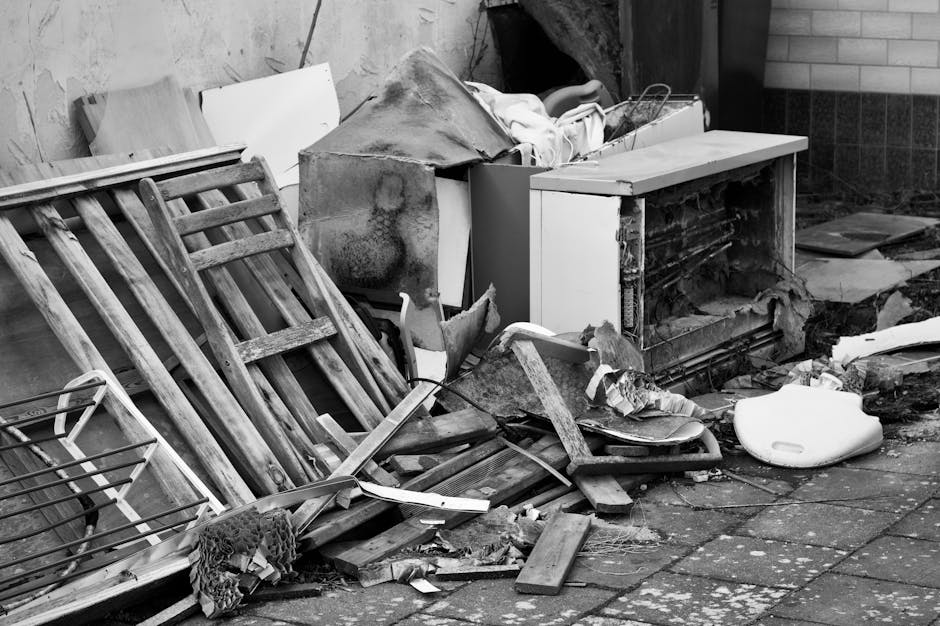
After a thorough clean, bulky waste tends to appear in the most awkward way possible. Old wardrobes, broken chairs, torn mattresses, battered shelving, water-damaged rugs, and boxes of mixed household junk have a habit of lingering in the corner and slowly becoming an even bigger problem. In Highbury, that matters because waste left in the wrong place can lead to complaints, fines, blocked access, or a simple but annoying missed collection.
The rules matter for another reason too: cleaning jobs often create a mixed pile. You may have a few things that are truly rubbish, a few items that could be donated, and some packaging or debris that belongs in ordinary rubbish rather than bulky waste. If you treat everything the same, you can end up paying for the wrong service or arranging the wrong disposal method.
There is also a practical side. A clean property should feel finished. If the hallway still smells faintly of damp cardboard, if the back garden is lined with broken furniture, or if the office stockroom still has old filing cabinets waiting to go, the job does not feel complete. That unfinished look is often what pushes people to look for a lawful, tidy disposal route after the clean itself.
Expert summary: bulky waste rules are less about paperwork for the sake of it and more about making sure large items are removed safely, legally, and without leaving you with avoidable mess or risk. After a cleaning job, that means sorting first, booking second, and putting items out only in the way the local collection service expects.
How Highbury bulky waste permit rules after cleaning jobs Works
At a practical level, bulky waste usually means large household or commercial items that cannot go out with a normal bin collection. Think sofas, beds, mattresses, tables, wardrobes, white goods, and similar oversized items. After cleaning jobs, these often come from clear-outs, refurbishments, tenancy changes, hoarded rooms, or the final sweep at the end of a project.
In many London boroughs, the process is not really about a "permit" in the old-fashioned sense of getting free rein to dump things. It is more often about booking a bulky waste collection, following set placement rules, and making sure the items are eligible. If a skip, temporary storage, pavement placement, or shared access route is involved, the council or landlord may also require prior approval. That is where people get mixed up. A bulky waste booking and a permit are related ideas, but they are not always the same thing.
Here is the sensible way to think about it after a cleaning job:
- Identify the waste type. Bulky items, general rubbish, recyclables, and hazardous materials should not be lumped together.
- Check whether collection is needed. If items are too large for normal bins, a special collection or licensed removal route may be required.
- Confirm access and placement rules. Shared blocks, controlled frontages, and narrow streets can affect where items can be left.
- Separate anything reusable. If it can be donated or reused, that can reduce disposal costs and waste.
- Make sure the area stays safe. Nothing should block pavements, entrances, fire exits, or shared access routes.
If your clean involved carpets, upholstery, or upholstered furniture, it is also worth thinking about whether a deep clean or specialist service could save an item before disposal. For example, a stubborn stain might be better handled through carpet cleaning, sofa cleaning, or upholstery cleaning rather than thrown out immediately. To be fair, that is often the difference between waste and something still worth keeping.
Key Benefits and Practical Advantages
Getting bulky waste handling right after a cleaning job gives you more than just a tidy finish. It reduces the chance of wasted time, and yes, the potential for a very awkward conversation with neighbours or a managing agent.
- Cleaner presentation: the property looks properly finished, which matters a lot at tenancy handovers, viewings, and post-build inspections.
- Lower risk of complaint: no one wants a sofa left half-on the pavement overnight, especially in a busy Highbury street.
- Better cost control: sorting items before collection prevents paying to remove things that could be recycled or donated.
- Safer handling: large items can be heavy, splintered, or sharp-edged after a clean-out, so correct disposal reduces injury risk.
- Less back-and-forth: when the waste route is organised in advance, you do not get the annoying last-minute scramble.
There is also a quieter benefit: peace of mind. Once you know the rules, the whole process feels less like a mystery and more like a checklist. That matters when you are already juggling cleaning, keys, inventory, trades, or moving day. Nobody needs another headache on top.
For homes and landlords, this is especially useful when paired with services like house cleaning, domestic cleaning, or one-off cleaning, because those jobs often reveal what can be kept, repaired, recycled, or removed.
Who This Is For and When It Makes Sense
This topic is relevant to a fairly wide group. If you have just completed a clean and suddenly realised there is far more to remove than a normal bin can handle, you are probably in the right place. The most common situations include:
- Tenants clearing a flat before checkout
- Landlords preparing for a new occupant
- Homeowners after a long overdue declutter
- Office managers replacing desks, chairs, or filing units
- Builders or decorators who need leftover materials and broken items cleared
- Cleaning companies finishing a deep clean, end-of-tenancy job, or post-renovation tidy
It also makes sense for anyone handling a property with limited access. In Highbury, that might mean a narrow front path, shared stairs, controlled parking, or a block where everyone notices if something is left out. The smaller the access window, the more useful it is to plan bulky waste handling alongside the cleaning itself.
Sometimes people do not realise they need a separate collection until they have already filled the room with bagged rubbish and one rather stubborn wardrobe. Happens all the time. The good news is, once you understand the categories, the rest becomes manageable.
Step-by-Step Guidance
Here is a straightforward way to deal with bulky waste after cleaning jobs in Highbury without overcomplicating it.
- Walk the property and list the large items. Note furniture, mattresses, appliances, large decor, broken storage, and anything with sharp, damp, or contaminated edges.
- Separate the "maybe keep" items. Some things just need a clean, repair, or a different home. Do not rush that decision.
- Check for hazards. If an item has broken glass, mould, loose wiring, bodily contamination, or chemical residue, handle it cautiously and separately.
- Sort by disposal route. Decide what is for general waste, what is recyclable, what is reusable, and what needs special handling.
- Confirm the collection method. This may mean a council bulky waste booking, a private removal team, or a clearance service depending on the volume and urgency.
- Check placement and timing. Do not leave items out early if local rules or building rules require a defined collection window.
- Protect shared areas. Use blankets, boards, or care when moving items through hallways and lifts, especially after a freshly cleaned property.
- Keep records. Save booking references, photos, or confirmation messages in case a question comes up later.
A little preparation goes a long way. If you have ever seen a mattress sit outside a property all weekend because nobody knew when collection was due, you will know exactly what I mean. Not ideal. Not at all.
Expert Tips for Better Results
Small decisions make a big difference here. Most bulky waste problems are not dramatic disasters; they are tiny avoidable oversights. A good plan keeps the whole job calm.
- Measure large items before you move them. Stairwells, door frames, and narrow landings always seem smaller at the worst possible moment.
- Take photos before disposal. This is useful for landlords, managing agents, and your own records.
- Keep wet and dry waste apart. Wet waste can spoil recyclable material fast.
- Use gloves and proper lifting technique. A clean-looking item can still be awkward, dusty, or full of hidden nails.
- Look for reuse first. Donation or rehoming can be quicker and cheaper than full disposal.
- Book earlier than you think. If the property handover is Friday morning, leaving waste plans until Thursday evening is a gamble.
One practical trick we often suggest is to stage the clean-out in two piles: one pile for items definitely leaving, another for items needing a final decision. That second pile prevents unnecessary throwaways and saves you from regretting a rushed choice later. A surprisingly human problem, that one.
If you are coordinating a larger refresh, services such as office cleaning, a professional cleaning company, or after-builders cleaning may also help reduce the amount of waste left behind by handling the job in a more structured way.
Common Mistakes to Avoid
The biggest mistakes are usually the plain, ordinary ones. The kind nobody notices until it is too late.
- Leaving items on the street without checking the rules. This is one of the fastest ways to create a problem.
- Mixing bulky waste with hazardous waste. Paint tins, chemicals, sharps, and damaged electricals may need different handling.
- Assuming all large items can go together. Some services exclude certain materials or charge differently for them.
- Forgetting about access issues. A collection crew cannot always move what they cannot reach safely.
- Booking too late. This creates pressure, and pressure leads to sloppier decisions. Happens every time.
- Ignoring recycling opportunities. Some items can be broken down or separated instead of thrown into a mixed load.
Another common slip is assuming the post-cleaning stage is just about sweeping up dust. It often is not. Once wardrobes, sofas, and appliances start leaving the property, the disposal plan becomes part of the job itself. That is especially true for end-of-tenancy cleaning and house clearance projects, where timing and compliance matter just as much as the clean.
Tools, Resources and Recommendations
You do not need a warehouse full of equipment to handle post-cleaning bulky waste well. But a few practical tools make the job safer and far less irritating.
- Heavy-duty gloves for sharp edges and grime
- Moving blankets or old sheets to protect floors and walls
- Dolly or sack truck for heavier items where safe and suitable
- Labels or marker tape to mark keep, donate, recycle, and dispose
- Bin bags and boxes for smaller loose waste gathered during the sort
- Phone camera for before-and-after records
On the service side, it helps to choose support that matches the job rather than overbuying a solution. For example, a property with mostly soft furnishings may be best served by sofa cleaning or rug cleaning before disposal is even considered. A property with hard surfaces and debris may need hard floor cleaning or window cleaning to finish the job neatly. Simple, really, but people overlook it.
For pricing decisions and planning, the most sensible next step is usually a proper quotation. You can review pricing and quotes before setting expectations, especially if the project is mixed with cleaning, clearance, and disposal needs.
Law, Compliance, Standards, or Best Practice
Although people often say "permit rules" in a general way, the practical reality is usually a combination of council rules, building rules, waste carrier responsibilities, and safe handling expectations. In the UK, waste must be managed responsibly, and once a property is involved, the person arranging disposal should be clear about what is being removed and where it is going.
Best practice usually includes:
- Using an authorised collection route rather than fly-tipping or ad hoc pavement dumping
- Keeping waste separated where materials differ in type or risk
- Checking whether items are reusable, recyclable, or specialist waste
- Maintaining safe access for residents, neighbours, and collection crews
- Following any property management or estate instructions as well as local collection guidance
If the work was carried out by a professional cleaner or cleaning team, it is also sensible to review the company's health and safety policy and insurance and safety information so you understand how waste handling and site safety are approached. That kind of clarity is useful, especially in shared buildings.
Where a property contains materials that may be contaminated, broken, or otherwise risky, be conservative. Do not guess. If something looks unsafe, treat it as such. That is not overcautious; it is just good practice.
Options, Methods, or Comparison Table
Different situations call for different disposal methods. There is no single "best" answer for every post-cleaning clear-out, and that is what trips people up.
| Method | Best for | Pros | Watch-outs |
|---|---|---|---|
| Council bulky waste collection | Smaller volumes of standard bulky items | Simple, structured, usually suitable for household items | Collection dates, item limits, and placement rules may apply |
| Private clearance service | Larger or more urgent clear-outs | Flexible, often quicker, handles mixed loads | Check what is included and whether items are sorted properly |
| Reuse or donation route | Furniture and items in decent condition | Reduces waste and can feel far more satisfying | Not suitable for damaged or unhygienic items |
| Repair or specialist clean | Items that are dirty but still usable | Can save money and reduce disposal | Only worthwhile if the item really has life left in it |
For homes, home cleaners or one-off cleaning can help prepare the property before a collection takes place. For workplaces, office cleaners and office cleaning can support a smoother exit or refit. The right method depends on volume, urgency, and whether you are cleaning around the waste or clearing the waste as part of the clean.
Case Study or Real-World Example
Imagine a small Highbury flat after a tenant move-out. The cleaning team arrives to handle dust, marks on the skirting, a stained rug, and a kitchen that has seen better days. Once the rooms are cleared, three bulky items are left behind: a broken desk, a battered armchair, and an old mattress. There is also a box of mixed packaging and some torn storage baskets.
At first glance, it all looks like "just rubbish". But it is not all the same. The mattress and armchair are bulky items, the packaging belongs in general waste or recycling depending on condition, and the desk may be suitable for reuse if it is only damaged in one area. The cleaner or property manager checks collection timing, confirms access down a narrow stairwell, and arranges the items so they do not block the communal entrance.
The result? The flat is left clean, the building is not inconvenienced, and the items leave in the right way. No drama, no last-minute panic, no awkward note from the neighbours. It is the sort of boring success that people only appreciate once they have been through a chaotic one.
In larger jobs, the same logic applies to house cleaning, cleaners, and single-cleaner visits where the team is expected to leave the property completely ready, not just visually tidy.
Practical Checklist
Use this before you book, move, or place anything outside:
- Have I separated bulky waste from normal bin waste?
- Have I identified anything reusable or worth repairing?
- Have I checked whether any item is hazardous, contaminated, or broken in a risky way?
- Do I know the collection method and timing?
- Have I checked access routes, stairs, and door widths?
- Will the waste block pavements, entrances, or fire exits if left out?
- Have I saved confirmation details or booking references?
- Do I know whether the building has separate rules for shared spaces?
- Have I considered recycling, donation, or specialist cleaning before disposal?
- Is the final removal plan aligned with the cleaning schedule?
Quick sanity check: if you cannot explain where each item is going in one sentence, the sorting probably needs one more pass. That tiny pause can save a bigger mess later.
Get a free quote today and see how much you can save.
Conclusion
Highbury bulky waste permit rules after cleaning jobs are much easier to handle once you stop thinking of them as a mystery and start treating them as a sequence: sort the items, check the collection route, protect access, and keep everything safe and tidy. That approach works whether you are clearing one room or managing a larger property reset.
The real win is not just compliance. It is the calm that comes from knowing the property is genuinely finished. No hidden piles, no guessing, no awkward last-minute carry-outs. Just a clean, workable space that feels properly done. And honestly, that is what most people want in the end.
Frequently Asked Questions
Do I need a permit for bulky waste after a cleaning job in Highbury?
Not always. In many cases, what you need is a booked bulky waste collection or an approved removal method rather than a formal permit. If waste must be placed in a controlled area, on a pavement, or within a managed building, extra approval may still be needed.
What counts as bulky waste after cleaning?
Usually large items such as sofas, beds, mattresses, wardrobes, desks, chairs, and big appliances. After cleaning jobs, it can also include damaged soft furnishings, broken storage, or large debris that will not fit normal bins.
Can I leave bulky waste outside after a clean?
Only if the collection route and local rules allow it. Leaving items outside without checking the timing or placement guidance can cause complaints, block access, or lead to removal being refused.
What should I do with items that are still usable?
Consider donation, reuse, or repair before disposal. A good clean can make the difference between something ready for another home and something destined for the skip.
Is bulky waste handled differently after end-of-tenancy cleaning?
Often yes, because timing matters and properties must be left clear for inspection or new occupants. End-of-tenancy jobs usually need a tighter plan for removal than standard domestic cleaning.
Can a cleaning company arrange bulky waste removal?
Some can help coordinate it, especially if the job is part of a larger clean or clearance. It is sensible to confirm exactly what is included before the work begins.
What if the bulky item is damaged but still looks reusable?
Check whether a repair or specialist clean could extend its life. If not, place it in the appropriate disposal route rather than mixing it into general rubbish.
Are there special rules for offices in Highbury?
Yes, office clear-outs may involve desks, chairs, electronics, and access restrictions that differ from domestic jobs. Building management and workplace safety expectations can change the process quite a bit.
How do I avoid fines or complaints?
Use the correct collection route, do not block pavements or entrances, keep items grouped safely, and check any building or council instructions before placing waste out. Small details matter here.
What is the best order: cleaning first or waste removal first?
Usually both should be planned together. Deep cleaning, clearance, and waste removal work best when scheduled in a sensible order, so you are not cleaning around objects that are about to leave anyway.
What if I am not sure whether an item is bulky waste or hazardous waste?
Do not guess. If the item contains chemicals, sharp fragments, wiring, or contamination, treat it cautiously and seek the right disposal route. Better to pause than to create a safety issue.
Can bulky waste removal be combined with a full property clean?
Yes, and that is often the smoothest approach. Pairing removal with services like deep cleaning or after-builders cleaning helps finish the job in one tidy sequence rather than dragging it out over days.